NCPS
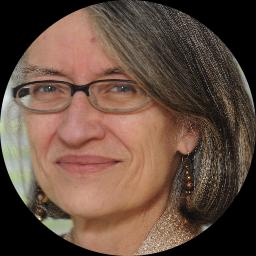
Fiona Connell, NCPS
Therapist in the UK
Fiona is a NCPS therapist in the UK.
- 3+ years of experience
- Focus areas include Stress, Anxiety, Trauma and abuse
About Fiona
She spent several years working with a mental health charity before opening a independent practice. That background has informed her practical way of working and her understanding of common pressures people face. She uses a person-centred stance so sessions follow the client’s lead rather than a fixed plan.
Fiona offers a non-judgemental space where people can talk through stress, anxiety, grief, trauma and abuse, low self-esteem, depression, anger, addictions and career concerns. She checks in regularly during therapy to make sure the work still fits what the client wants to achieve. This keeps progress focused and flexible.
Her NCPS credential is noted as part of her professional details. In practice she works collaboratively to agree goals and steps that feel manageable. The emphasis is on practical, achievable changes rather than jargon or complicated techniques.
People who come to her can expect straightforward conversations about what help might look like. Sessions aim to be steady and predictable while moving at a pace that suits each person. Fiona prioritises building trust so clients can explore difficult issues and plan realistic next steps.
Areas of expertise
Experience
3+ years
Credentials
NCPS
Languages
English
Focus areas
How pluralistic and person-centred methods work online
Pluralistic counselling combines different evidence-based techniques so the therapist can tailor sessions to what helps most. In practice this means blending listening, practical exercises and reflective conversation to match the person’s goals and preferences. It is useful for a wide range of problems, from anxiety and low mood to dealing with grief and past trauma.A person-centred approach focuses on the individual’s experience and priorities. The therapist aims to follow the client’s lead, offering empathy and straightforward questions to clarify what matters. This style supports people who want a steady, collaborative approach rather than a rigid plan.
Finding the right mix of approaches is part of the work. The therapist will discuss options and test what feels useful, adjusting methods as goals change. That decision is made together, based on needs, progress and personal preferences.
The original biography does not list which online formats are used, so confirm available session formats before booking. Online work can make it easier to fit therapy around daily life, reduce travel time and allow shorter check-ins when days are busy. It can also let people choose sessions that match their energy levels, for example a quieter audio conversation when video would be tiring.
Frequently asked questions
What concerns does she help with?
She works with stress, anxiety, trauma and abuse, grief, low self-esteem, depression, addictions, anger and career worries.
What is her style of therapy?
She practises pluralistic counselling alongside a person-centred approach, adapting methods to fit each person rather than following a fixed plan.
How long has she been practising?
She has three years of professional experience, including time spent working with a mental health charity before moving into independent practice.
What credentials and location are listed?
Her credential is NCPS and she is based in the United Kingdom.
Which languages are supported and can international clients work with her?
Sessions are offered in English and she is not currently accepting international clients.
What session formats are available?
The original biography does not specify session formats, so please confirm current session options with the service before booking.
How are sessions charged?
Costs vary with location and therapist availability, and sessions use a subscription that can be cancelled at any time.
How do I begin the process?
Select the Start Therapy button, complete the short matching questionnaire, and then schedule sessions according to the therapist's availability.