NCPS
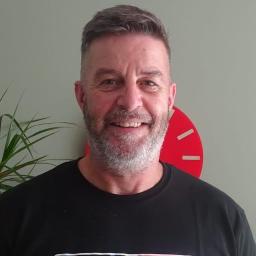
Ian Saunders, NCPS
Therapist in the UK
Ian is a NCPS therapist in the UK.
- 18+ years of experience
- Focus areas include Addictions, Relationship issues
- Approaches include Client-Centered Therapy, Motivational Interviewing
About Ian
Over nearly two decades he has developed particular experience with alcohol and drug misuse. He also helps people dealing with anger, low self esteem and the fallout from betrayal and infidelity. His additional focus areas include codependency, communication and control issues, and process addictions such as gambling or compulsive behaviours.
Ian’s approach is grounded in Client-Centred Therapy, which means sessions are shaped around the person in front of him. He also uses Motivational Interviewing to support change and Solution-Focused Therapy to build on what’s already working. Sessions tend to focus on clear goals, small practical steps and honest conversation.
People who feel stuck by shame, guilt or conflicted loyalties may find his style direct but supportive. He aims to help clients identify priorities and try manageable changes between appointments. Ian explains things plainly and avoids jargon so people can act on ideas right away.
To start, clients complete a short matching questionnaire and then arrange sessions around his availability. Fees vary with location and the subscription model is cancellable at any time.
Areas of expertise
Experience
18+ years
Credentials
NCPS
Languages
English
Focus areas
Also listed for
See all related areas
How his approaches shape online therapy
Client-Centred Therapy places the person at the centre of the work. It involves listening closely and adapting sessions to what the client needs each week. This approach can help people who want a supportive space to talk through problems and make sense of feelings.Motivational Interviewing is a conversational method that helps people find their own reasons to change. It is useful for substance misuse, process addictions and other areas where motivation can ebb and flow. Solution-Focused Therapy looks for small, practical steps and builds on what already works, making it helpful for people who want focused, goal-oriented sessions.
Finding the right mix of approaches is part of the process. The therapist will work collaboratively to decide which methods suit the client's goals and preferences. That discussion usually happens in early sessions and can be adjusted as work progresses.
Practical benefits of online work include easier fitting of sessions into a busy week and fewer travel demands. Telephone or video options can make short check-ins simpler and allow continuity when in-person meetings are difficult. Confirm the current session options before booking so arrangements match personal needs.
Frequently asked questions
What concerns does Ian commonly help with?
He works with addiction issues, relationship difficulties and trauma-related problems. Other areas include anger, self esteem, codependency and process addictions.
How would you describe his therapeutic style?
Sessions are client-centred and straightforward, focusing on clear goals and practical steps. He also uses Motivational Interviewing to support change and Solution-Focused Therapy to build on strengths.
How long has he practised as a counsellor?
Ian has 18 years of experience working in counselling settings and running his own independent practice in the UK.
What credentials and location are listed for this counsellor?
The profile lists NCPS as his credential and indicates he is based in the United Kingdom.
Can sessions be carried out in languages other than English?
Sessions are offered in English.
Are international clients accepted?
Yes, the profile notes that international clients are accepted.
How are sessions paid for and what does it cost?
Costs vary with location and therapist availability; sessions use a subscription that can be cancelled at any time.
What steps are needed to begin working with him?
Choose the Start Therapy button, complete a short matching questionnaire, then schedule sessions according to the therapist's availability.