BACP
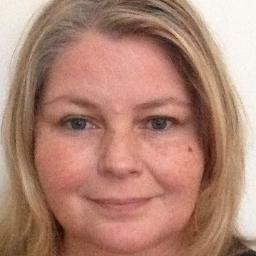
Ingrid-Maria Nordgren, BACP
Therapist in the UK
Ingrid-Maria is a BACP therapist in the UK.
- 13+ years of experience
- Focus areas include Stress, Anxiety, Relationship issues
About Ingrid-Maria
She focuses on helping people understand and process their life experiences. That includes emotions, bodily signals and personal history. She pays attention to breath, non-verbal cues and how feelings show up in the body.
Sessions are offered in a relational, eclectic and integrative style. Ingrid-Maria describes the work as a partnership where therapist and client explore questions together. The aim is to build awareness, trust and new choices rather than quick fixes.
Her practice pays particular attention to the body-mind connection. She is a Rosen Method Bodywork Practitioner and Teacher, and uses that background to notice non-verbal signals and how people inhabit their bodies. This can help people feel more at home in themselves as they work through issues.
Clients can expect a mix of gentle challenge and support, with space for humour alongside difficult emotions. The therapist helps people reflect on patterns such as attachment and codependency so they can move forward with clearer boundaries and more agency.
Ingrid-Maria is a BACP counsellor with 13 years of experience practising in the United Kingdom. She offers sessions in English and Swedish and invites people to come curious about their life and relationships.
Areas of expertise
Experience
13+ years
Credentials
BACP
Languages
English, Swedish
Focus areas
See all focus areas
Also listed for
How therapeutic approaches work online
Rosen-informed body-mind work pays attention to breath, posture and non-verbal cues to help people notice how feelings live in the body. This approach can be useful for trauma, body image and emotional stuckness because it links sensations with personal history and movement.A relational, integrative approach focuses on the relationship between counsellor and client. It looks at patterns such as attachment, codependency and communication problems by exploring how those patterns appear in sessions and in everyday life.
Finding the right approach is part of the work. The counsellor will discuss goals, preferences and practical needs and then shape methods together. That means approaches can change as understanding deepens and new choices emerge.
Confirm the current session options before booking, as no specific online formats are listed in the biography. Many people find online sessions helpful because they can fit therapy around work and family life, remove travel time and make it easier to keep regular appointments. Others choose shorter check-ins or audio-only meetings when a quick conversation is needed or camera use is difficult. Discussing practical needs at the start helps match the way you meet with the approach you use.
Frequently asked questions
What issues does this counsellor help with?
She supports people with stress, anxiety, depression and trauma, as well as relationship and family-related concerns. Other areas include grief, anger, self-esteem and career strain.
What is the therapeutic style and approach?
The approach is relational, eclectic and integrative, with attention to emotions and body signals. Work involves reflection, enquiry and gentle challenge to change unhelpful patterns.
How much experience does she have?
She has 13 years of professional experience working with people in independent practice.
What are her credentials and where does she practise?
She is registered with the BACP and practises in the United Kingdom.
Which languages are offered for sessions?
Sessions are offered in English and Swedish.
Can people outside the UK work with her?
She does not accept international clients at this time.
How are fees and payments organised?
Costs vary with location and therapist availability, and sessions use a subscription that can be cancelled at any time.
How do I begin a therapy relationship?
Use the Start Therapy button, complete a short matching questionnaire, and schedule according to therapist availability.