BACP
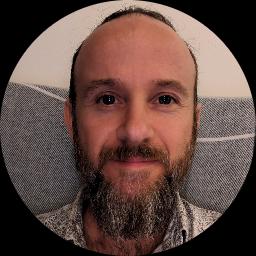
Paul Cleland, BACP
Therapist in the UK
Paul is a BACP therapist in the UK.
- 10+ years of experience
- Focus areas include Stress, Anxiety, Self esteem
- Approaches include Somatic Therapy, Internal Family Systems
About Paul
Paul believes clients know their own stories and already have strengths to draw on. He works alongside people to find those strengths and make practical changes. Sessions combine talking with attention to bodily experience rather than focusing only on thoughts.
His practice uses somatic methods to notice how feelings show up in the body. He also draws on Internal Family Systems to help people recognise and relate to different parts of themselves. These approaches aim to uncover emotional blocks and reduce patterns that keep problems repeating.
In a session Paul uses calm, curious questioning and encourages gentle experiments you can try between meetings. He aims to make steps feel manageable and relevant to day-to-day life. The work often includes breathing, movement or body awareness alongside reflection.
Paul frames therapy as a collaborative process. He offers steady support while people try new ways of coping and rebuilding confidence. To begin, readers are invited to follow the site’s process for matching and scheduling a first session.
Areas of expertise
Experience
10+ years
Credentials
BACP
Languages
English
Focus areas
Approaches
Also listed for
How Somatic and IFS Approaches Work Online
Paul uses Somatic Therapy to help people notice how emotions show up physically, such as tightness, breath changes or restlessness, and guides simple body-focused practices to ease those patterns. Internal Family Systems helps people identify different inner parts - for example a critical part or a protecting part - and learn to relate to them with curiosity and care rather than judgement.Finding the right approach is part of the work. Paul will talk with each person about their needs, goals and preferences and together decide what methods to try. The process is collaborative and allows adjustments as trust grows and priorities change.
Confirm the session formats available before booking, as they are not listed here. Online work can make it easier to fit therapy around daily life, for example by reducing travel time or allowing shorter check-ins during a busy day. It can also suit people who prefer to work from their own surroundings, and some exercises can be adapted to audio-only or lower-bandwidth setups if needed. Registered or accredited professionals can tailor pace and tasks so sessions feel practical and manageable.
Frequently asked questions
What concerns does Paul commonly help with?
He helps people with stress, anxiety, low self-esteem and depression, as well as grief, anger and coping with life changes.
What is Paul’s therapeutic style like?
His style blends compassionate conversation with attention to the body and internal parts, using gentle inquiry and practical exercises.
How long has he been practising?
Paul has ten years of professional experience working with people on emotional and psychological concerns.
What credentials and location are listed?
He is listed with BACP and practises in the United Kingdom.
Can sessions be done in languages other than English?
Sessions are offered in English.
Are international clients able to work with him?
International clients are accepted.
How are fees and payments handled?
Cost varies by location and therapist availability; sessions use a subscription that can be cancelled at any time.
What do I do to begin working with Paul?
Click the Start Therapy button, complete a short matching questionnaire, and then schedule according to therapist availability.