
Esther Mordant
BACP· Accepting clientsUnited Kingdom · 7 yrs exp
Stress, Anxiety · Relationship · Trauma and abuse · Grief · +1 more
Read profileThe therapy listings are provided by BetterHelp and we will earn a commission if you use our link - at no cost to you.
Therapy in your native language can make it easier to explore feelings, memories and cultural context. Below you can browse profiles of therapists who speak Hebrew to identify practitioners whose language, focus and background fit your needs.
United Kingdom · 7 yrs exp
Stress, Anxiety · Relationship · Trauma and abuse · Grief · +1 more
Read profile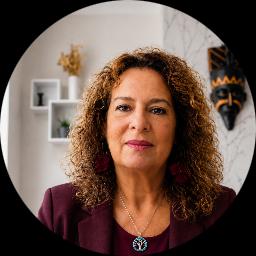
United Kingdom · 5 yrs exp
Stress, Anxiety · Relationship · Family · Self esteem · +9 more
Read profile
United Kingdom · 6 yrs exp
Stress, Anxiety · Relationship · Self esteem · Depression · +6 more
Read profile
United Kingdom · 4 yrs exp
Stress, Anxiety · Relationship · Family · Grief · +9 more
Read profileWhen you speak with a therapist in Hebrew you are more likely to find words that match the precise tone and emotion of what you want to express. Many emotions are shaped by idioms, metaphors and cultural references that do not translate neatly. Being able to speak in the language you grew up with can reduce the effort it takes to describe complex experiences and can help you reach subtler levels of self-understanding. This is particularly important when memories or family narratives are framed in Hebrew, or when religious and cultural concepts are central to your identity. In those moments, the ability to use familiar expressions and culturally specific phrases may help you feel more fully heard and understood.
Beyond words, language carries rhythm, humour and emotional cadence. You may notice that certain jokes, complaints or ways of apologising feel truer in Hebrew. Therapy that allows those natural patterns can support deeper rapport with the therapist and create a therapeutic space where nuances of tone and meaning come through more clearly. For many people the therapeutic relationship is strengthened when language itself feels comfortable and natural.
If you and a therapist do not share the same native language, important subtleties can be lost. You might find yourself simplifying memories, choosing less precise words or avoiding cultural references to prevent misunderstandings. Over time this can limit the depth of work you can do. Misinterpretations are not only about vocabulary - they can affect how emotional intensity is understood. A nuance that in Hebrew signals deep shame or pride may be read differently by someone whose first language is not Hebrew, which can lead to a mismatch in responses.
Language barriers can also slow down the process of building trust. You may need extra time to explain cultural practices, family roles or values that shape your experience. That additional context is valuable, but it can be tiring to repeat it session after session. Choosing a therapist who speaks Hebrew reduces the need for that repeating, freeing more space to focus on the therapeutic work itself.
Online therapy with a Hebrew-speaking therapist usually follows the same basic structure as in-person work. Sessions commonly last around 50 to 60 minutes and involve regular, scheduled meetings where you and the therapist focus on your concerns. You will typically discuss the ways of working, information-sharing boundaries and fees at the start, and agree on how sessions will proceed. Many Hebrew-speaking therapists work with clients both in the UK and internationally, and they may list the approaches they use and the issues they specialise in. When an approach is listed, it indicates the methods they use rather than a measure of qualification.
Technically, online sessions require a device with a camera and reliable internet access. Some people find video calls make it easier to read facial expressions and body language in Hebrew, while others prefer audio or a mix of formats. If you have questions about how to make the most of online sessions, you can ask about session structure, whether they work with short- or long-term formats, and how they handle session notes and follow-up. Remember that the therapeutic relationship and how comfortable you feel speaking in Hebrew often matter more than the precise technology you use.
Many Hebrew speakers worry about cultural stigma associated with seeking mental health support. You might come from a community where discussing emotional struggles is seen as personal or where mental health language is not commonly used. These concerns can make the first step feel daunting. There may also be strong family expectations around roles, success and intergenerational obligations that shape how you present your problems. Finding a therapist who understands these cultural dynamics - including religious observance, communal norms and family storytelling - can help you explore those pressures without feeling judged.
Another common concern is finding a therapist who matches your dialect, religious background or cultural frame of reference. Hebrew-speaking therapists may vary in how closely they relate to Israeli, Palestinian, Sephardi or Mizrahi cultural contexts, and each of those differences can influence how you experience therapy. It can be helpful to read profiles for information on languages spoken, cultural interests and the kinds of issues practitioners work with so you can find someone whose background resonates with your needs.
Online therapy widens the pool of available Hebrew-speaking practitioners beyond your immediate area, which is particularly helpful in the UK where the number of Hebrew speakers may be concentrated in certain cities. You gain more options for different therapeutic approaches, session times and practitioner styles. Online work can reduce travel time, allow you to attend sessions from a comfortable environment at home or elsewhere, and make it easier to maintain continuity if you move or travel.
Choosing the right Hebrew-speaking therapist involves a few practical considerations. Start by noting the issues you want to address and look for practitioners who describe relevant areas of focus. When profiles list therapeutic approaches, read those descriptions as indicators of how a therapist tends to work rather than formal proof of specialised training. Check whether a therapist is registered or accredited with a professional body in the UK and note any therapeutic orientations they describe. Consider whether cultural familiarity matters to you - some clients prefer someone who shares a similar cultural background, while others prioritise therapeutic style or experience with specific life events.
Trust your instincts about tone and phrasing in profiles. Language used in a profile can give you a sense of whether a therapist's communication style feels direct, warm or reflective. If a therapist mentions working with families, trauma, anxiety or relationship issues in their profile, think about how those focal points match what you want. Finally, reflect on practicalities such as session length, fees and whether they hold professional registration in the UK. Taking a first step may feel difficult, but finding someone who lets you speak Hebrew naturally can make the work more meaningful and accessible.
Seeking therapy in Hebrew can be a powerful way to connect with your feelings and life story in words that feel authentic. Whether you choose online sessions for convenience or to access a broader range of Hebrew-speaking practitioners, you can find a professional who understands the linguistic and cultural nuances that shape your experience. Use the profiles below to explore different approaches, areas of focus and professional registration, and allow yourself time to find a therapeutic relationship that feels resonant and supportive.