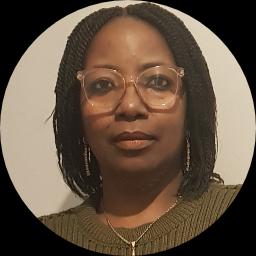
Elizabeth Gichuki
BACP· Accepting clientsUnited Kingdom · 6 yrs exp
Relationship · Family · Trauma and abuse · Grief · +12 more
Read profileThe therapy listings are provided by BetterHelp and we will earn a commission if you use our link - at no cost to you.
Accessing therapy in your first language can make it easier to describe feelings, memories and cultural experiences. Browse the Swahili-speaking therapists listed below to find profiles that match your needs.
Each profile highlights language, approaches and areas of focus so you can explore options that feel right for you.
United Kingdom · 6 yrs exp
Relationship · Family · Trauma and abuse · Grief · +12 more
Read profile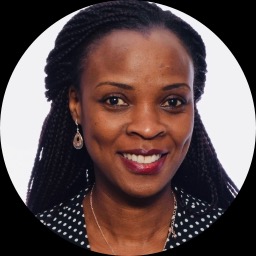
United Kingdom · 4 yrs exp
Stress, Anxiety · LGBT · Family · Self esteem · +14 more
Read profile
United Kingdom · 6 yrs exp
Stress, Anxiety · Trauma and abuse · Self esteem · Depression · +1 more
Read profile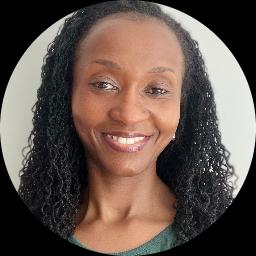
United Kingdom · 3 yrs exp
Stress, Anxiety · Relationship · Grief · Self esteem · +2 more
Read profile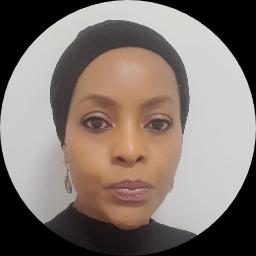
United Kingdom · 4 yrs exp
Stress, Anxiety · Relationship · Family · Self esteem · +1 more
Read profileWhen you meet with a therapist in Swahili you are more likely to find the precise words and cultural references that describe your experience. Language carries idioms, proverbs and emotional tones that do not always translate easily, and being able to use the words you grew up with can reduce the effort of explaining feelings. That ease helps the therapeutic relationship develop more quickly because you can express nuance without interruption and you will not need to pause frequently to translate concepts in your head.
Therapy is not only about solving problems. It is also about being heard and understood. For many people, describing grief, shame or joy in the language that shaped their earliest memories changes the texture of those conversations. You may notice that metaphors, humour and cultural narratives come more naturally when you speak Swahili, which can deepen emotional insight and make practical change feel more relevant to your everyday life.
Language differences can create subtle frictions that influence how therapy feels and whether it meets your needs. If you and a therapist share only a second language, you might find yourself simplifying emotions, choosing words that are technically correct but that miss cultural connotations. These small shifts can accumulate, making sessions feel less satisfying or leaving important aspects of your story unexplored. Misunderstandings are not always obvious - they can appear as pauses, repeated explanations or a sense that a point has not landed.
Some people use interpreters or family members to bridge language gaps. That can be helpful but it also changes the dynamics of the conversation. Having a third person present affects what you decide to share and how you explore sensitive topics. If you are considering interpreted therapy, think about what you are willing to disclose in front of another person and whether you prefer a therapist who can work with you directly in Swahili. You may also encounter clinicians who list multiple approaches on their profiles - for example, some therapists list EMDR among their approaches - and it can help to think about how those approaches are described rather than assuming they are identical across clinicians.
Online therapy with a Swahili-speaking practitioner often follows a familiar structure but with some practical differences because of the digital format. Sessions commonly take place by video or phone, and some therapists also offer messaging or text-based support as part of a broader programme. You can expect an initial conversation to cover what you want to work on, how the therapist works, fees and the practical arrangements for sessions. The tone of that conversation is an opportunity to judge whether the therapist’s communication style and language fluency fit your needs.
Technical considerations matter too. Reliable internet, a quiet room and basic comfort with the chosen platform make sessions run more smoothly. You might want to arrange a place where you will not be overheard and where you can speak freely. Therapists will usually explain their record-keeping and privacy protections and may outline how they manage notes and boundaries. If you are bilingual, you can ask whether the therapist is comfortable switching between Swahili and English during a session, and whether they adapt their approach to include cultural and family context. Profiles often state areas of focus, professional background and which languages are used, so reading those details helps shape what to expect before you contact someone.
Many Swahili speakers worry about cultural stigma, the possibility of being judged, or the sense that therapy is not compatible with family values and religious beliefs. These concerns are understandable and common. You may also encounter uncertainty about information-sharing boundaries and how personal information is handled online, or discomfort about discussing mental health outside the community. If these worries feel familiar, it can help to look for therapists who explicitly mention cultural competence or who describe experience working with diaspora communities and faith-related concerns.
Finding a clinician who understands dialect differences, migration histories and generational expectations can reduce the emotional labour of explaining background every session. You might also be unsure about professional terms used in the UK system. Looking for counsellors who state they are registered or accredited with recognised UK bodies can offer clarity about professional frameworks, but registration does not replace a conversation about how the therapist understands and respects your cultural context. Trust often grows slowly, and it is reasonable to take time to find someone who listens in a way that feels right for you.
Online therapy widens the pool of clinicians you can contact, which is especially useful if there are few Swahili-speaking counsellors near you. You can meet with professionals in different parts of the UK, which increases the chance of finding someone who shares your cultural background, dialect or therapeutic approach. Online sessions are also more flexible with timings and reduce travel time, which can make it easier to keep a regular schedule. For people juggling work, family responsibilities or caring roles, that flexibility can make engagement with therapy more realistic.
When choosing a therapist, start by clarifying your goals and what you want to change or understand. Read profile information to see which languages are listed and whether the counsellor mentions experience with the issues you face. Look for practitioners who state they are registered or accredited with recognised UK organisations, and pay attention to how they describe their approach and areas of focus. If profiles mention approaches you are curious about, remember that a listing means the therapist includes the approach among their work rather than signalling a specific qualification.
Before committing to a series of sessions, consider an initial conversation to get a sense of rapport, communication style and how the therapist handles cultural topics. In that conversation you can ask about session length, fees, how notes are kept and what the therapist recommends for frequency. Trust your sense of fit - a therapist who listens and uses language that reflects your experience is more likely to help you feel understood. Finally, remember that finding the right match often takes time, and choosing a clinician who offers clear communication and respect for your cultural background is a meaningful first step on that path.
If you are ready to look through profiles, use the listings above to explore Swahili-speaking counsellors and therapists who describe their language abilities and areas of focus. Reading profiles and reaching out for an introductory conversation can help you find a professional who speaks your language and understands the cultural context that matters to you.