
Amanda Bouvier
BACP· Accepting clientsUnited Kingdom · 15 yrs exp
Stress, Anxiety · Family · Grief · Depression · +12 more
Read profileThe therapy listings are provided by BetterHelp and we will earn a commission if you use our link - at no cost to you.
This page lists female therapists and counsellors who work with a wide range of concerns. You can browse profiles to learn about their focus areas, therapeutic approaches and registration details.
Use the listings below to explore practitioners and make an informed choice about who might suit your needs.
United Kingdom · 15 yrs exp
Stress, Anxiety · Family · Grief · Depression · +12 more
Read profile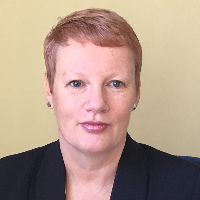
United Kingdom · 20 yrs exp
Relationship · Family · Trauma and abuse · Grief · +10 more
Read profile
United Kingdom · 8 yrs exp
Stress, Anxiety · Trauma and abuse · Grief · Self esteem · +6 more
Read profile
United Kingdom · 12 yrs exp
Stress, Anxiety · Relationship · Grief · Parenting · +7 more
Read profile
United Kingdom · 8 yrs exp
Stress, Anxiety · Relationship · Grief · Self esteem · +15 more
Read profile
United Kingdom · 6 yrs exp
Stress, Anxiety · Grief · Parenting · Depression · +11 more
Read profile
United Kingdom · 8 yrs exp
Stress, Anxiety · Grief · Depression · Compassion fatigue · +10 more
Read profile
United Kingdom · 5 yrs exp
Stress, Anxiety · Addictions · Relationship · Grief · +1 more
Read profile
United Kingdom · 5 yrs exp
Stress, Anxiety · Relationship · Grief · Depression · +9 more
Read profile
United Kingdom · 15 yrs exp
Stress, Anxiety · Trauma and abuse · Grief · Depression · +14 more
Read profile
United Kingdom · 13 yrs exp
Stress, Anxiety · LGBT · Trauma and abuse · Grief · +1 more
Read profile
United Kingdom · 8 yrs exp
Stress, Anxiety · Relationship · Anger · Self esteem · +4 more
Read profile
United Kingdom · 9 yrs exp
Stress, Anxiety · Relationship · Family · Trauma and abuse · +12 more
Read profile
United Kingdom · 3 yrs exp
Stress, Anxiety · Addictions · Family · Trauma and abuse · +9 more
Read profile
United Kingdom · 14 yrs exp
Stress, Anxiety · Relationship · Grief · Parenting · +13 more
Read profile
United Kingdom · 14 yrs exp
Stress, Anxiety · Trauma and abuse · Self esteem · Depression · +15 more
Read profile
United Kingdom · 6 yrs exp
Relationship · Trauma and abuse · Grief · Self esteem · +15 more
Read profile
United Kingdom · 20 yrs exp
Stress, Anxiety · Relationship · Family · Trauma and abuse · +9 more
Read profile
United Kingdom · 5 yrs exp
Stress, Anxiety · Relationship · Family · Self esteem · +16 more
Read profile
United Kingdom · 4 yrs exp
Stress, Anxiety · Relationship · Trauma and abuse · Self esteem · +16 more
Read profile
United Kingdom · 15 yrs exp
Stress, Anxiety · Relationship · Grief · Self esteem · +13 more
Read profile
United Kingdom · 27 yrs exp
Stress, Anxiety · Relationship · Grief · Intimacy-related issues · +13 more
Read profile
United Kingdom · 4 yrs exp
Stress, Anxiety · Relationship · Trauma and abuse · Grief · +12 more
Read profile
United Kingdom · 6 yrs exp
Stress, Anxiety · Relationship · Trauma and abuse · Grief · +7 more
Read profileA "female therapist" listing indicates that the clinician identifies as female. For many people the gender of their therapist matters for reasons that are personal, cultural and practical. You might be looking for a therapist who can relate to specific life stages such as pregnancy, postnatal adjustment or the menopause. You might prefer to speak to a woman because of how past relationships or traumatic experiences shape your comfort with male clinicians. Others simply find that a female perspective better matches the lens through which they want to explore their emotions and relationships.
Choosing a therapist by gender does not guarantee a particular approach or outcome. Therapists who appear in this category will list a range of specialisms and ways of working, and they will have different kinds of clinical background. When you read profiles, focus on the combination of registration, described experience and the approaches they list rather than assuming anything from gender alone.
You may find it helpful to seek a female therapist if you notice recurring patterns in how gender shapes your life, identity or relationships. Persistent distress linked to reproductive milestones - for example fertility struggles, pregnancy loss or postnatal adjustment - often brings themes you may prefer to discuss with someone who has a specific interest in those topics. If you have experienced sexual or gender-based trauma, you might feel more able to disclose and process those memories with a female clinician. Cultural or religious values can also make a female practitioner a better match.
Other signs include feeling inhibited or distracted by the thought of seeing a male therapist, wanting a perspective that centres women's experiences, or seeking role models and validation of gender-specific concerns. If you are unsure whether gender should be a deciding factor, consider what feels most important to your comfort and the therapeutic work you want to do.
If you decide to contact someone whose profile appeals to you, the initial sessions usually focus on getting to know you, understanding the issue you want to address and agreeing goals. Your therapist will ask about your background, current circumstances and what you hope to change. You can expect a collaborative process in which you and the therapist decide the pace and focus of the work. Over time you will review progress and adjust goals as needed.
Therapeutic style varies. Some therapists are more directive and goal-orientated, while others use a reflective, exploratory stance. Whatever the style you choose, a female therapist can offer understanding of gendered experiences alongside professional boundaries and ethical practice. It is reasonable to enquire about the therapist's registration with recognised UK bodies such as BACP, HCPC or NCPS, their general approach and whether they have experience working with issues you want to explore. Therapists will explain their information-sharing boundaries and privacy measures, record-keeping and how they handle emergencies or safeguarding concerns as part of their initial information.
Profiles often name approaches to help you understand how a therapist tends to work. Many female therapists list cognitive behavioural therapy among their approaches, which is typically structured and focused on changing thought patterns and behaviour. Others may list psychodynamic or psychoanalytic approaches, which pay attention to early relationships and unconscious patterns that influence present-day difficulties. Person-centred approaches emphasise the therapeutic relationship and listening closely to your experience. Some profiles mention trauma-focused methods; when you see those terms it means the therapist lists that way of working among their approaches rather than that they hold a specific qualification in it.
When reading profiles, think about the kind of work you want to do. If you want practical tools to manage anxiety or sleep problems you might favour therapists who list cognitive or behavioural techniques. If you want to explore long-standing relationship patterns or identity questions you may prefer therapists who describe exploratory, relational approaches. The language on a profile gives clues about how a therapist frames problems and what the sessions could feel like, so match that to your preferences.
Online therapy is a common way to work with a female therapist across the UK. Sessions are usually offered by video call or telephone, and some therapists provide email or text-based options for brief contacts. Working online can widen your choices, especially if you live in a rural area or need a therapist who speaks a particular language. You will need a quiet space where you can talk without interruption and a reliable internet connection if using video.
Therapists who offer online work will outline how they manage consent, record-keeping and data protection. In the UK you can expect references to GDPR compliance and practice-level privacy measures rather than technical terms about security. Discuss with the therapist how they handle emergency contacts, what to do if a session is interrupted and whether they work only with UK residents. Online work can be as effective as face-to-face therapy for many concerns, but it does require attention to boundaries and practical arrangements so the therapeutic relationship can develop.
When choosing a therapist focus on fit rather than a single credential. Start by reading profiles to see who lists work with issues similar to yours and who describes an approach that resonates. Look for registration with UK professional bodies such as BACP, HCPC or NCPS as an indication that the therapist works to recognised standards and codes of practice. Consider practical factors that matter to you - session length, fee, languages spoken and whether they offer online or face-to-face work in a local setting.
Pay attention to how a therapist talks about diversity, gender and cultural issues if those areas are important to you. Many profiles mention specialisms and populations the therapist has experience with; those who list working with perinatal wellbeing, sexual trauma or relationship counselling will often describe that focus in more detail. If you are uncertain after reading profiles you can contact therapists to ask about their approach to the issue you want to bring and how they structure sessions. An initial conversation about fit does not commit you to ongoing work, but it can give you a clearer sense of whether the clinician’s style and experience align with your needs.
Choosing a therapist is a personal decision and may feel like a process. Give yourself permission to prioritise your sense of safety, comfort and the therapeutic goals you want to pursue. Over time you will get a clearer sense of whether the relationship is helping you move towards those goals and whether adjustments are needed in the work you do together.