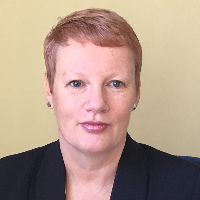
Jessica Sullivan
BACP· Accepting clientsUnited Kingdom · 20 yrs exp
Relationship · Family · Trauma and abuse · Grief · +10 more
Read profileThe therapy listings are provided by BetterHelp and we will earn a commission if you use our link - at no cost to you.
On this page you will find counsellors and therapists in the UK who list coaching as a speciality. Use the listings below to compare focus areas, approaches, credentials and languages to find someone who matches your goals.
United Kingdom · 20 yrs exp
Relationship · Family · Trauma and abuse · Grief · +10 more
Read profile
United Kingdom · 8 yrs exp
Stress, Anxiety · Relationship · Grief · Self esteem · +15 more
Read profile
United Kingdom · 15 yrs exp
Stress, Anxiety · Trauma and abuse · Grief · Depression · +14 more
Read profile
United Kingdom · 14 yrs exp
Stress, Anxiety · Relationship · Grief · Parenting · +13 more
Read profile
United Kingdom · 14 yrs exp
Stress, Anxiety · Trauma and abuse · Self esteem · Depression · +15 more
Read profile
United Kingdom · 6 yrs exp
Relationship · Trauma and abuse · Grief · Self esteem · +15 more
Read profile
United Kingdom · 5 yrs exp
Stress, Anxiety · Relationship · Family · Self esteem · +16 more
Read profile
United Kingdom · 4 yrs exp
Stress, Anxiety · Relationship · Trauma and abuse · Self esteem · +16 more
Read profile
United Kingdom · 27 yrs exp
Stress, Anxiety · Relationship · Grief · Intimacy-related issues · +13 more
Read profile
United Kingdom · 12 yrs exp
Stress, Anxiety · Relationship · Family · Grief · +15 more
Read profile
United Kingdom · 6 yrs exp
Stress, Anxiety · Relationship · Self esteem · Depression · +13 more
Read profile
United Kingdom · 11 yrs exp
Relationship · Trauma and abuse · Anger · Self esteem · +11 more
Read profile
United Kingdom · 4 yrs exp
Stress, Anxiety · Sleeping · Self esteem · Career · +14 more
Read profile
United Kingdom · 15 yrs exp
Stress, Anxiety · Family · Trauma and abuse · Anger · +14 more
Read profile
United Kingdom · 5 yrs exp
Parenting · Anger · Self esteem · Coping with life changes · +15 more
Read profile
United Kingdom · 9 yrs exp
Stress, Anxiety · Relationship · Family · Trauma and abuse · +7 more
Read profile
United Kingdom · 15 yrs exp
Stress, Anxiety · Relationship · Trauma and abuse · Self esteem · +16 more
Read profile
United Kingdom · 5 yrs exp
Stress, Anxiety · Self esteem · Career · Depression · +10 more
Read profile
United Kingdom · 5 yrs exp
Stress, Anxiety · Relationship · Family · Trauma and abuse · +15 more
Read profile
United Kingdom · 3 yrs exp
Self esteem · Depression · Compassion fatigue · Stress, Anxiety · +16 more
Read profile
United Kingdom · 3 yrs exp
Stress, Anxiety · Grief · Self esteem · Depression · +10 more
Read profile
United Kingdom · 7 yrs exp
Stress, Anxiety · LGBT · Family · Intimacy-related issues · +15 more
Read profile
United Kingdom · 5 yrs exp
Stress, Anxiety · Trauma and abuse · Self esteem · Coping with life changes · +15 more
Read profile
United Kingdom · 3 yrs exp
Stress, Anxiety · Depression · Coping with life changes · Addictions · +10 more
Read profileCoaching in the context of counselling and therapy typically centres on forward-looking, goal-focused work. You might seek coaching when you want to make a career change, improve performance, clarify priorities or build new habits. For many people coaching offers a practical framework for turning intentions into action, helping you to map out steps and hold yourself accountable while also exploring obstacles that get in the way.
Although coaching overlaps with therapeutic support, it often places greater emphasis on specific outcomes and measurable progress. That does not mean personal feelings or past experience are ignored. Effective coaching-oriented therapy recognises how emotion, belief and behaviour interact, and it uses that understanding to shape plans that feel realistic and meaningful. You may notice clearer routines, increased confidence in decision-making and a stronger sense of direction as common effects of coaching work.
If you are wondering whether coaching-style support could help, look for patterns in how you feel and act. You might be experiencing a sense of being stuck, repeated difficulty making choices, or a mismatch between your day-to-day life and longer-term aspirations. Sometimes people find they have practical skills but lack clarity about which goals to prioritise, or they repeatedly sabotage progress through procrastination or self-doubt. Others want help navigating a major transition - for example a promotion, a change of role, or a return to work - and want structured guidance that balances practical planning with emotional awareness.
Coaching-focused therapy can also be useful if you want to build particular capacities such as resilience, public speaking, leadership presence or time-management. If you notice persistent patterns of avoidance, difficulty committing to plans, or repeated setbacks that are not explained solely by external factors, coaching may offer tools to shift behaviour while also addressing the underlying thoughts and feelings that contribute to those patterns. You should expect an approach that attends both to what you want to do and to the internal barriers that make action hard.
In coaching-focused therapy sessions you will often find a blend of practical planning and reflective conversation. Early meetings tend to focus on clarifying your aims and identifying small testable steps. Your therapist will usually work with you to create a plan that breaks a larger objective into manageable tasks and to set milestones so you can track progress. Sessions can include discussion of obstacles, warm reflection on what worked, and adjustment of strategies where needed.
Therapy that adopts coaching methods tends to be collaborative. You and your counsellor will explore your values, strengths and priorities to ensure goals align with what matters to you. You may be offered exercises to practise between sessions, tools for measuring progress, and prompts to notice how thoughts and emotions influence your behaviour. Some people prefer a tightly structured programme with clear checkpoints, while others value a more fluid approach that responds to emerging needs; many counsellors adapt their style to your preferences and the nature of the goals you set.
You will encounter a variety of approaches among practitioners who specialise in coaching. Some therapists describe their work as drawing on cognitive behavioural ideas to help you test unhelpful beliefs and develop practical habits. Others emphasise acceptance and commitment principles to support value-based action and psychological flexibility. You may also see counsellors who list solution-focused work, motivational interviewing, narrative approaches or person-centred methods among their approaches.
When you review profiles, note that listing an approach does not guarantee formal accreditation in that technique; it indicates the perspectives a therapist uses in sessions. In the UK it is common and helpful to look for registration with recognised bodies such as BACP, HCPC or NCPS, which demonstrates adherence to professional standards and ethical practice. Different approaches suit different aims - cognitive and behavioural styles often help with structured behaviour change, while narrative or person-centred work can support clarity about identity and values. Understanding how each approach frames goals can help you decide which style feels most likely to help you sustain change.
Online coaching therapy commonly takes place via video call, telephone or written messaging. Video sessions allow for face-to-face interaction and non-verbal cues, while phone sessions can be useful if you prefer less visual intensity. Some counsellors offer structured email or messaging programmes that let you reflect in writing and receive regular prompts. Regardless of the format, expect a focus on setting actionable goals, reviewing progress and adapting plans between sessions. You should also discuss practicalities such as session length, frequency and methods for recording or reflecting on your work together.
Choosing the right therapist involves considering several factors beyond mere qualifications. Start by clarifying your primary aims - are you looking for career coaching, performance optimisation, habit change or life transition support? Look for counsellors who list relevant focus areas and who describe an approach that resonates with you. Pay attention to credentials and professional registration - BACP, HCPC or NCPS registration are common indicators that a practitioner follows recognised standards. Also consider the languages they work in, the kinds of clients they mention, and whether their stated methods emphasise planning, values work or reflective exploration.
Practical considerations matter too. Think about session length, fee structure and how the therapist communicates about their work. Read profile summaries for an idea of how they describe goals, progress and the typical course of work. It can be helpful to decide in advance what you want to learn from an initial conversation - for example how they measure progress, what homework they might set and how they handle setbacks. Finally, trust how you feel when you read a profile or speak to a counsellor; a sense that you can work openly and honestly together is often the most important indicator of a good fit.
Coaching-style therapy can be a powerful way to move from intention to action while also taking account of the personal barriers that can derail plans. Whether you choose in-person or online sessions, paying attention to approach, registration and the practical framework a counsellor offers will help you find someone who can support the changes you want to make. Use the listings above to compare profiles and approaches so you can begin shaping a plan that fits your life and goals.