
Bogdana Leete
BACP· Accepting clientsUnited Kingdom · 6 yrs exp
Stress, Anxiety · Family · Sleeping · Self esteem · +11 more
Read profileThe therapy listings are provided by BetterHelp and we will earn a commission if you use our link - at no cost to you.
Therapy in your native language can make it easier to express feelings, memories and cultural meaning. Browse the Russian-speaking therapists below to view profiles, approaches and locations.
United Kingdom · 6 yrs exp
Stress, Anxiety · Family · Sleeping · Self esteem · +11 more
Read profile
United Kingdom · 14 yrs exp
Addictions · Self esteem · Career · Coping with life changes · +12 more
Read profile
United Kingdom · 4 yrs exp
Stress, Anxiety · Relationship · Self esteem · Depression · +10 more
Read profile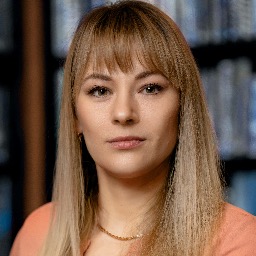
United Kingdom · 9 yrs exp
Stress, Anxiety · Trauma and abuse · Self esteem · Depression · +6 more
Read profile
United Kingdom · 16 yrs exp
Addictions · Relationship · Trauma and abuse · Career · +14 more
Read profile
United Kingdom · 5 yrs exp
Grief · Stress, Anxiety · Addictions · LGBT · +9 more
Read profile
United Kingdom · 7 yrs exp
Stress, Anxiety · Relationship · Family · Grief · +8 more
Read profile
United Kingdom · 7 yrs exp
Stress, Anxiety · Relationship · Trauma and abuse · Grief · +1 more
Read profile
United Kingdom · 5 yrs exp
Stress, Anxiety · Relationship · Trauma and abuse · Parenting · +9 more
Read profile
United Kingdom · 3 yrs exp
Stress, Anxiety · Family · Parenting · Depression · +1 more
Read profile
United Kingdom · 8 yrs exp
Stress, Anxiety · Relationship · Grief · Self esteem · +10 more
Read profile
United Kingdom · 9 yrs exp
Stress, Anxiety · Relationship · Family · Parenting · +10 more
Read profile
United Kingdom · 5 yrs exp
Relationship · Family · Trauma and abuse · Intimacy-related issues · +1 more
Read profile
United Kingdom · 6 yrs exp
Stress, Anxiety · Addictions · Relationship · Trauma and abuse · +12 more
Read profile
United Kingdom · 4 yrs exp
Stress, Anxiety · Relationship · Self esteem · Depression · +12 more
Read profile
United Kingdom · 4 yrs exp
Stress, Anxiety · Relationship · Family · Self esteem · +1 more
Read profile
United Kingdom · 3 yrs exp
Stress, Anxiety · Addictions · Trauma and abuse · Grief · +1 more
Read profileWhen you speak in your first language you often access a wider emotional range and a richer vocabulary for describing experiences. For many people who grew up speaking Russian, certain words, metaphors and cultural references carry layers of meaning that are difficult to render in another tongue. Using your native language in therapy can allow you to describe childhood memories, family dynamics and culturally shaped responses in ways that feel more authentic and complete.
Language also shapes how you think about problems and solutions. The rhythm and structure of Russian may open different ways of reflecting on relationships, identity and loss. For bilingual people, switching languages can also shift emotional distance - some things feel easier to say in one language than another. Choosing to work with a therapist who speaks Russian helps preserve these nuances and reduces the work of translating not only words but the feelings behind them.
Beyond expression, language influences cultural understanding. Therapists who speak Russian are more likely to recognise cultural patterns, social expectations and historical references that matter to you. That shared linguistic background can make it simpler to talk about values, faith, family roles and migration experiences without having to explain every cultural assumption.
If you do not share a language with a therapist, subtle meanings can be lost or misinterpreted. Translating idioms, humour and emotionally charged phrases often results in a literal version that misses the feeling underneath. This can slow progress because you spend time clarifying words instead of exploring emotions and patterns. Misunderstandings may also lead to frustration, a sense of being unheard or doubts about whether the therapist truly understands your background.
Working through an interpreter is an option, but it changes the dynamic. An interpreter introduces an additional person into moments of vulnerability and can alter how you express yourself. Some people find this arrangement helpful because it enables access to care, while others find the presence of a third party intrusive. You should expect differences in pacing and the need for extra explanation when an interpreter is involved.
Body language, tone and cultural context are important. A phrase that seems neutral in one language can be charged in another. If you use a second language that you learned later in life, you may also experience reduced emotional intensity or difficulty finding the exact word for a feeling. That attenuation can make some therapeutic work feel less resonant, which is why language matters when you are aiming for deeper exploration.
Online therapy with a Russian-speaking practitioner typically resembles in-person work in structure but offers different practicalities. Sessions often take place via video, phone or messaging platforms. You can expect an initial conversation to cover what brings you to therapy, the approaches the therapist uses, and their professional registration or qualification as recorded in their profile. Many therapists list the approaches they use on their profiles, and you will often see descriptions that explain how they work rather than formal claims about training.
During early sessions you will discuss goals and practical arrangements. You may find that working online makes it easier to access a wider range of clinicians who speak Russian, including those outside your immediate area. Online work requires attention to technology and setting - choose a quiet, comfortable environment where you can speak freely and without interruption. If you have concerns about data protection or the way your personal information is handled, ask the therapist about their privacy policies and the measures in place to protect your information.
Expect differences in tone and pacing compared with in-person meetings. Some people feel more at ease speaking from their own space, while others miss the immediacy of face-to-face contact. Therapists who list particular approaches among their methods may adapt these to online formats, offering conversation-based work, exercises you can practise between sessions, and suggestions for managing stress or strong emotions in the moment.
Many Russian speakers worry about stigma within family or community circles. Mental health can carry social meanings that discourage help-seeking, and admitting difficulty may be seen as weakness in some settings. You might be concerned about who will know you are in therapy, how family will react, or whether your experiences will be judged through cultural stereotypes. These are valid worries and are often part of what you may want to explore in sessions.
Finding a clinician who understands migration, language loss, generational differences and cultural expectations can be challenging. You may also face practical barriers such as cost, limited local provision in your language, or uncertainty about how therapeutic approaches map onto your values. Religion, community roles and traditional coping strategies often influence how people view therapy, and being able to speak openly about these factors in Russian can make it easier to negotiate a plan that respects your beliefs.
Another common concern is information-sharing boundaries of records and interactions. While you should ask about data protection and the handling of personal information, you can also discuss with a therapist how to involve family members or community leaders if that is helpful, and how to set boundaries around disclosure. These conversations often help you weigh the benefits and risks of different choices.
Online therapy widens the pool of Russian-speaking clinicians beyond your city, enabling you to connect with practitioners who share your dialect, cultural background or focus areas. This flexibility can be particularly helpful if you live in a rural area or a smaller town where few Russian-speaking therapists practise. Online sessions also allow you to fit therapy around work, family and other commitments, reducing travel time and offering more scheduling options.
For people who feel anxious about visiting a clinic, starting online can lower the threshold to beginning therapy. You can join sessions from a familiar personal setting and gradually build trust with a therapist before considering face-to-face work if that becomes relevant. The wider access also means you can explore different approaches and find a clinician whose communication style suits you.
When reviewing profiles, focus on the elements that matter to you. Look at the languages listed to confirm that Russian is offered, and read how therapists describe their approaches and areas of interest. Pay attention to whether they note experience with migration, family dynamics or other issues that reflect your circumstances. Note their professional registration or qualification as presented in their profile, since this indicates the regulatory body they belong to in the UK.
Consider practical factors such as whether they work online, the formats they offer, and how they describe their therapeutic style. Trust your first impressions during an initial conversation - a short introductory call or message can help you gauge whether the therapist’s communication style feels respectful and understandable. Think about whether you prefer a therapist who shares cultural references or one who offers a different perspective; both can be helpful depending on your goals.
Finally, give yourself permission to take time finding the right match. It is normal to try more than one therapist before finding someone you feel comfortable with. Being clear about your aims and asking questions about approach, session structure and how they work with cultural issues will help you make an informed choice. Working in your native language can be an important step toward clearer expression and more meaningful progress, so trust your instincts as you explore options.